Shimano SAINT REAR DERAILLEUR 10s
Rear Derailleur
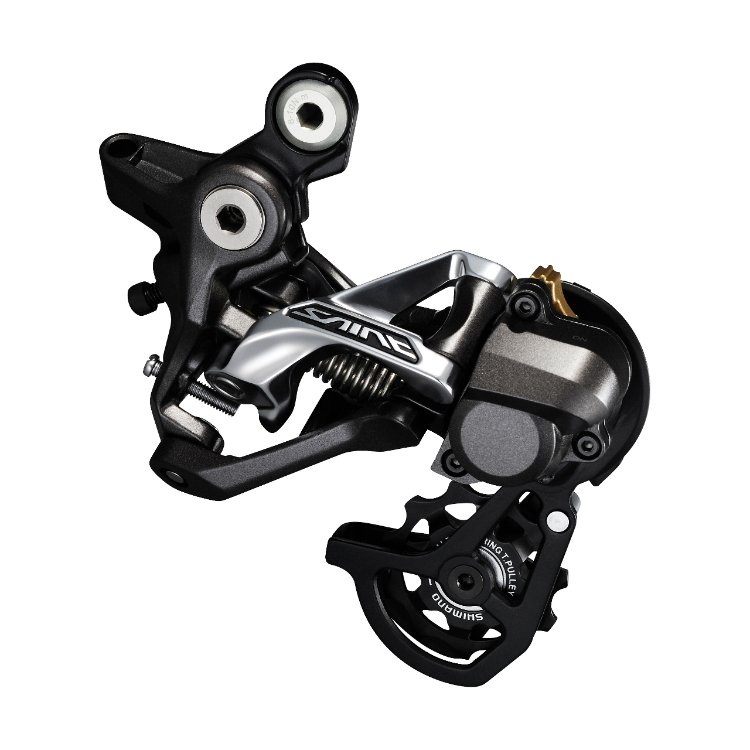
Specifications
- Manufacturer
- Shimano
- Name
- SAINT REAR DERAILLEUR 10s
- Series
- M820
- MPN
- RD-M820-SS
- Groupset
- Saint
- Rear Speeds
- 10
- Front Speeds
- 1[1]
- Drivetrain Brand
- Shimano
- Shifting Type
- Cable
- Max Cog (T)
- 36[2]
- Cage Length
- Short
- Chain Standard
- Shimano HG (Hyperglide)[2]
- Weight (g)
- 280
- Sources
- [1] AI-extracted, not yet checked against a named source (added 2 Mar 2026): Front Speeds
- [2] bike.shimano.com, checked 29 Sep 2026: Max Cog (T), Chain Standard
Compatibility
Shimano SAINT REAR DERAILLEUR 10s is a Shimano rear derailleur. It is a 10-speed component. It uses Cable shifting. Everything listed below was matched on a specification we hold for both parts: the interface each pairing actually depends on, such as freehub body, speed count, actuation or mounting standard. Where we could not verify that interface, the part is left out rather than assumed to fit.
Shifters that drive this derailleur12
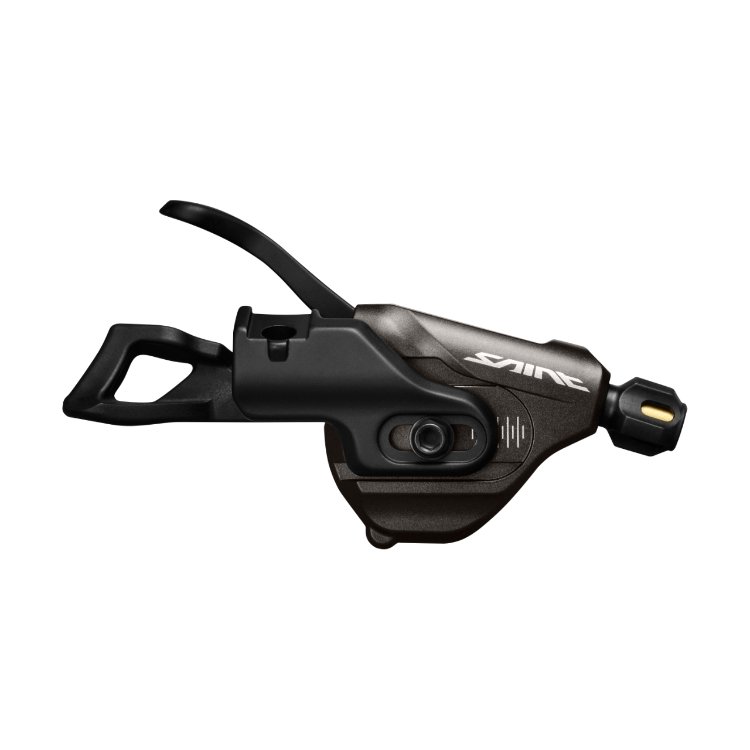 Recommended
Shimano
SAINT SHIFT LEVER 10s
- Both are 10-speed
- Both use cable actuation
RecommendedShimano
SAINT SHIFT LEVER I-SPEC B 10s
- Both are 10-speed
- Both use cable actuation
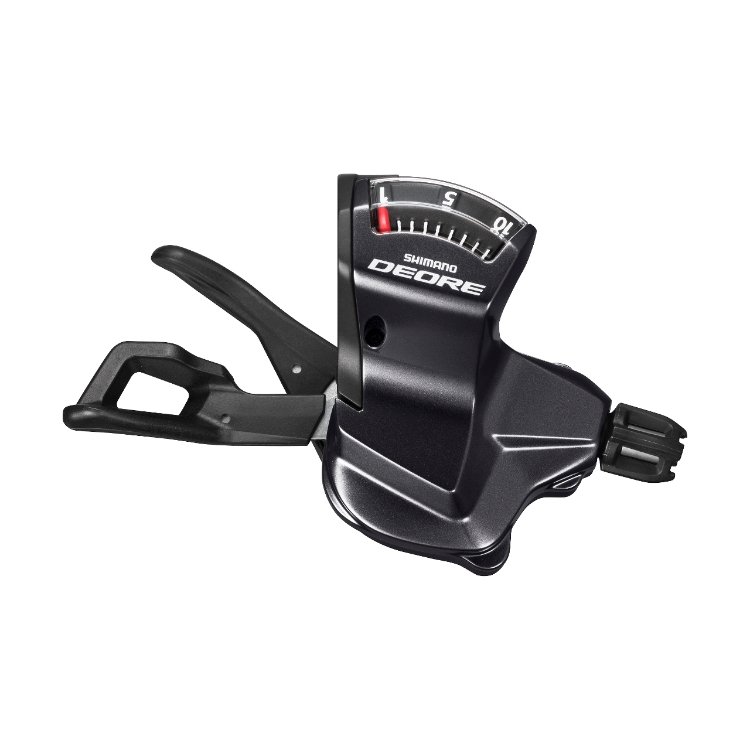 Mechanically compatible
Shimano
DEORE SHIFT LEVER 10s
- Both are 10-speed
- Both use cable actuation
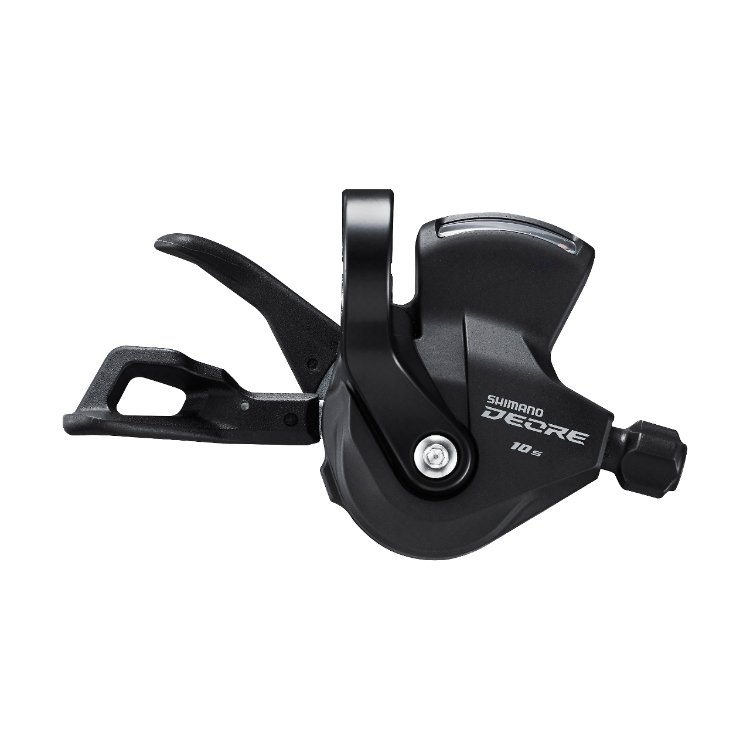 Mechanically compatible
Shimano
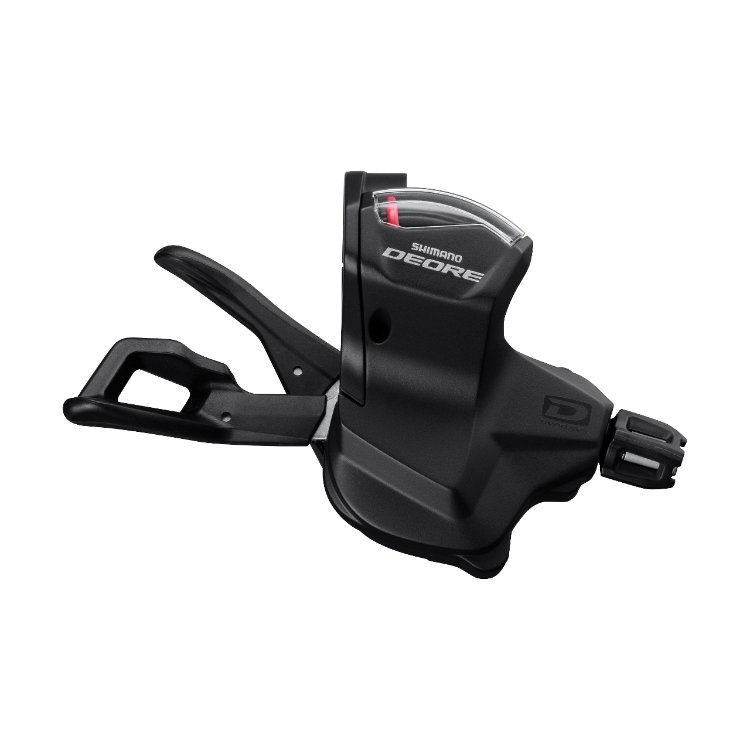
DEORE SHIFT LEVER RIGHT CLAMP BAND 10s
- Both are 10-speed
- Both use cable actuation
 Mechanically compatible
Shimano
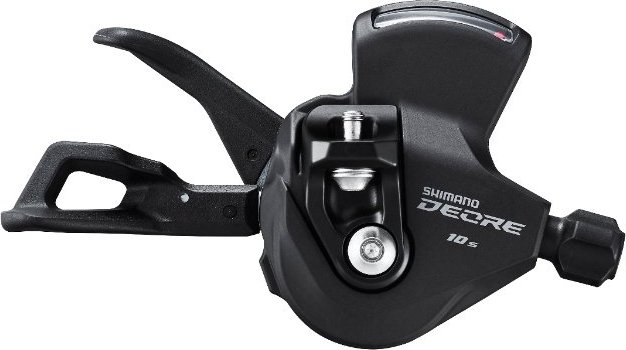
DEORE SHIFT LEVER RIGHT CLAMP BAND10s
- Both are 10-speed
- Both use cable actuation
 Mechanically compatible
Shimano
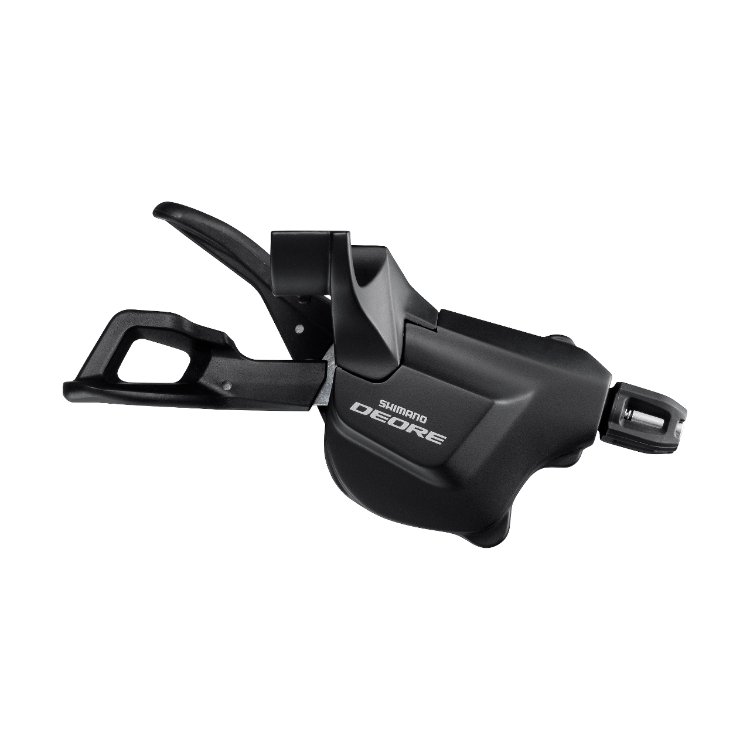
DEORE SHIFT LEVER RIGHT I-SPEC EV 10s
- Both are 10-speed
- Both use cable actuation
 Mechanically compatible
Shimano
DEORE SHIFT LEVER RIGHT I-SPEC II 10s
- Both are 10-speed
- Both use cable actuation
 Mechanically compatible
Shimano
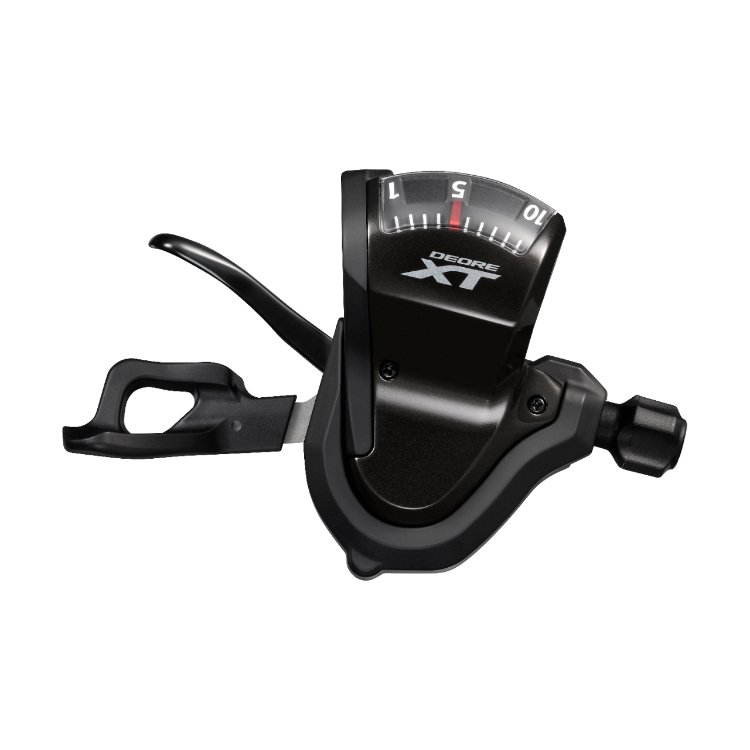
DEORE XT RIGHT SHIFT LEVER FOR TREKKING 10s
- Both are 10-speed
- Both use cable actuation
 Mechanically compatible
Shimano
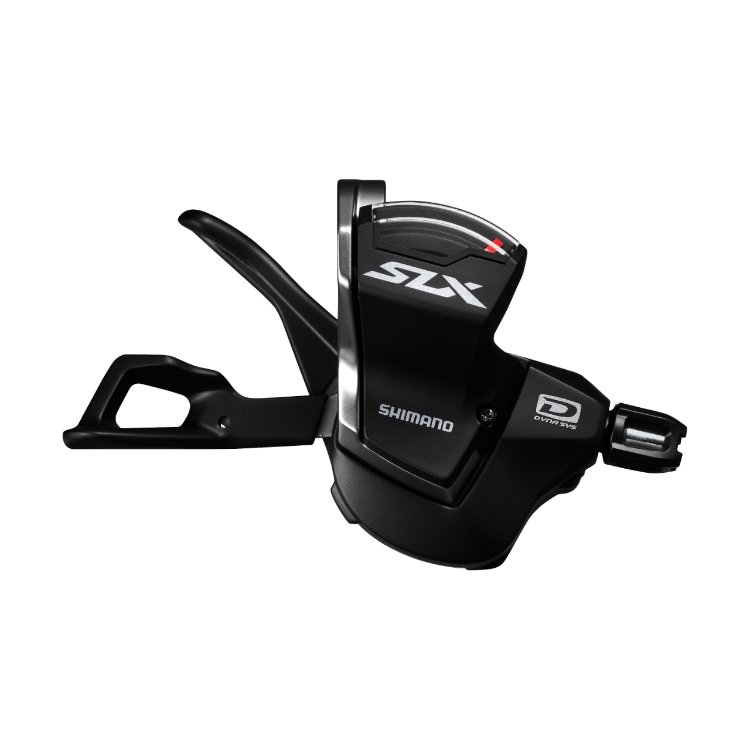
SLX SHIFT LEVER RIGHT CLAMP BAND 10s
- Both are 10-speed
- Both use cable actuation
 Mechanically compatible
Shimano
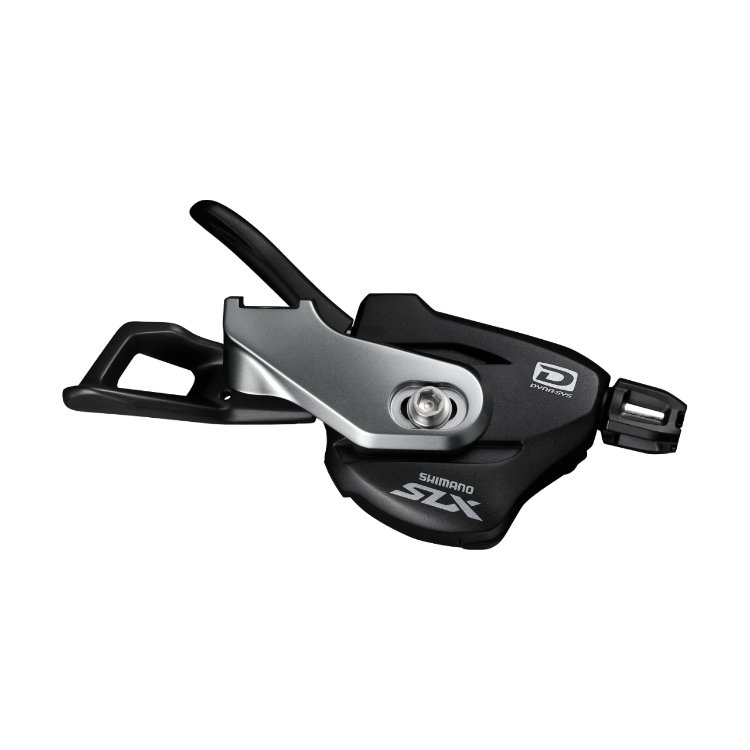
SLX SHIFT LEVER RIGHT I-SPEC B 10s
- Both are 10-speed
- Both use cable actuation
 Mechanically compatible
Shimano
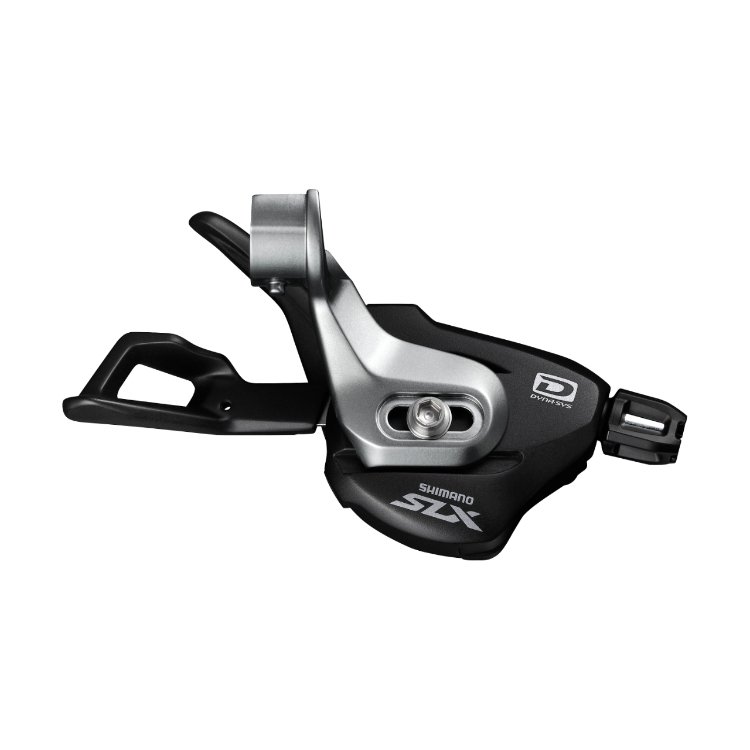
SLX SHIFT LEVER RIGHT I-SPEC II 10s
- Both are 10-speed
- Both use cable actuation
 Mechanically compatible
Shimano
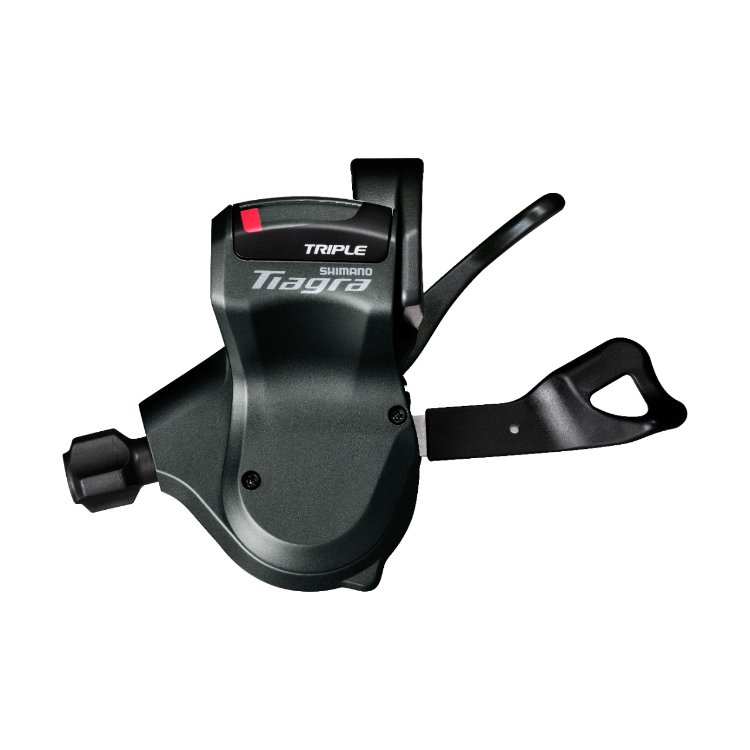
TIAGRA SHIFT LEVER FLAT BAR ROAD 3X10s
- Both are 10-speed
- Both use cable actuation
Cassettes for this derailleur3
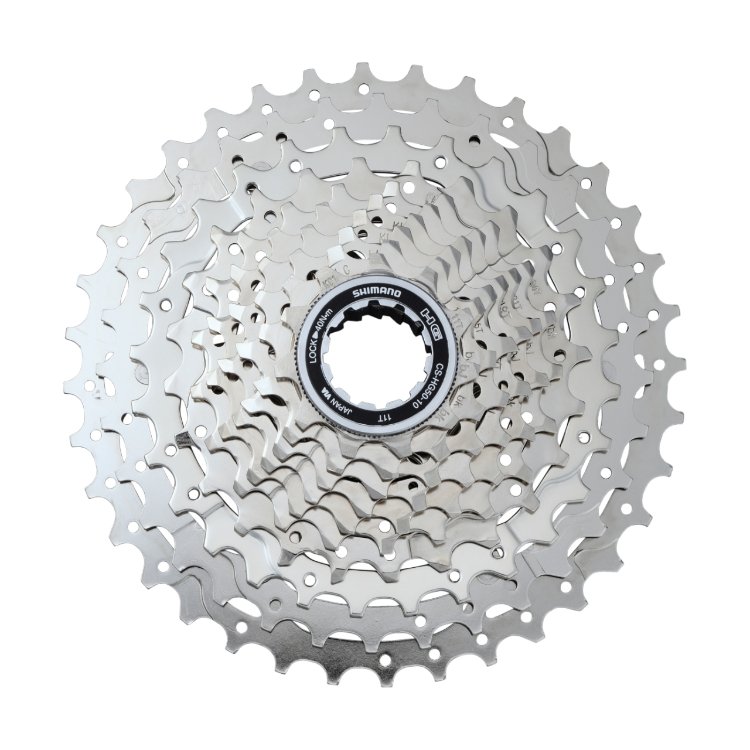 Shares a standard
Shimano
HG CASSETTE 10s (CS-HG50-10)
- Both are 10-speed
- Both are Shimano drivetrain parts
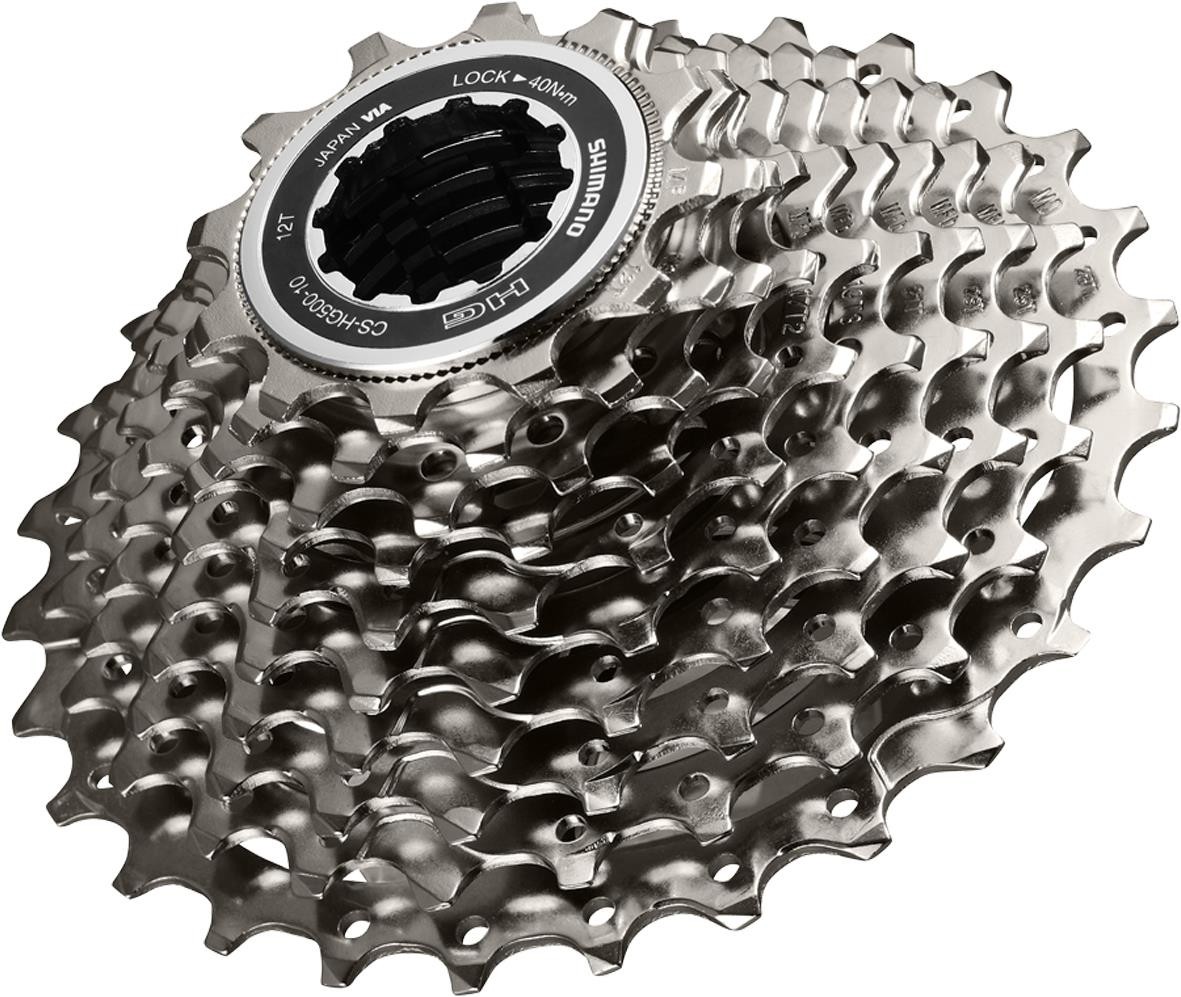 Shares a standard
Shimano
HG CASSETTE 10s (CS-HG500-10)
- Both are 10-speed
- Both are Shimano drivetrain parts
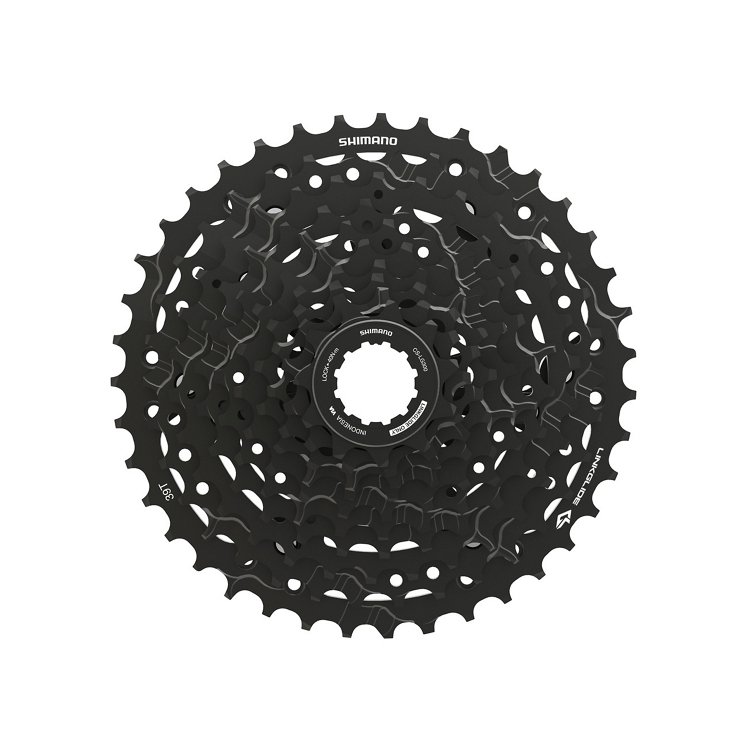 Shares a standard
Shimano
LINKGLIDE CASSETTE 10s (CS-LG300-10)
- Both are 10-speed
- Both are Shimano drivetrain parts
Chains for this derailleur12
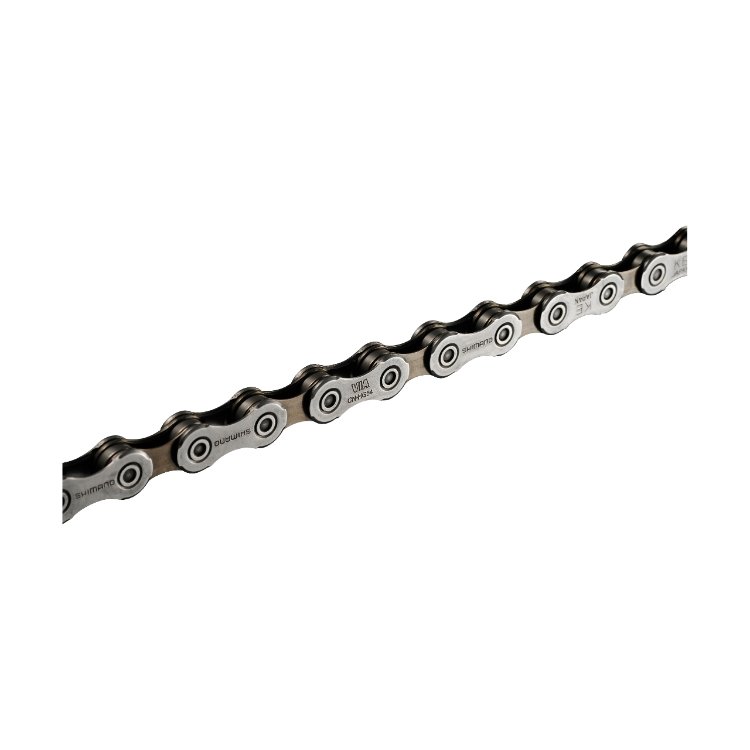 Shares a standard
Shimano
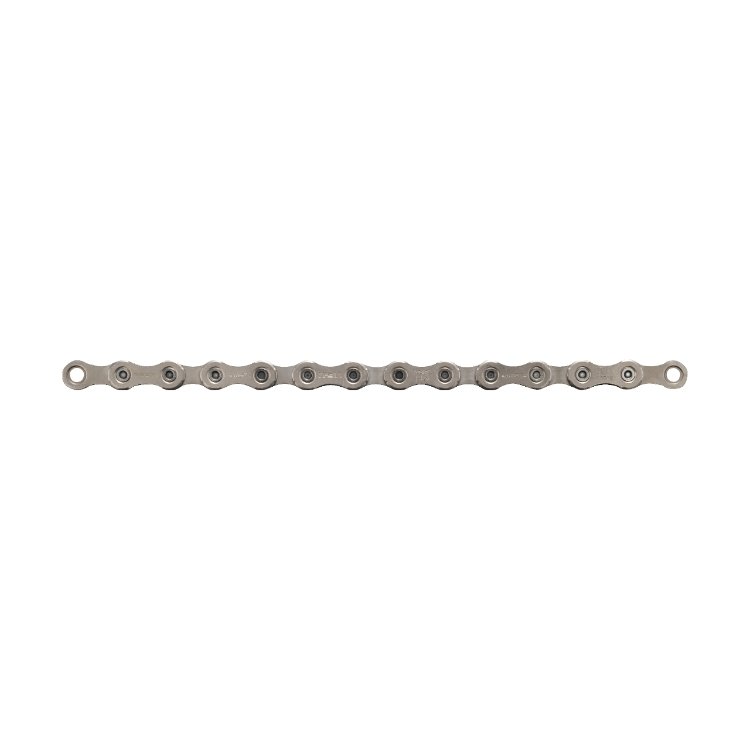
CN-HG54 DEORE MTB CHAIN 10s
- Both are 10-speed
 Shares a standard
Shimano
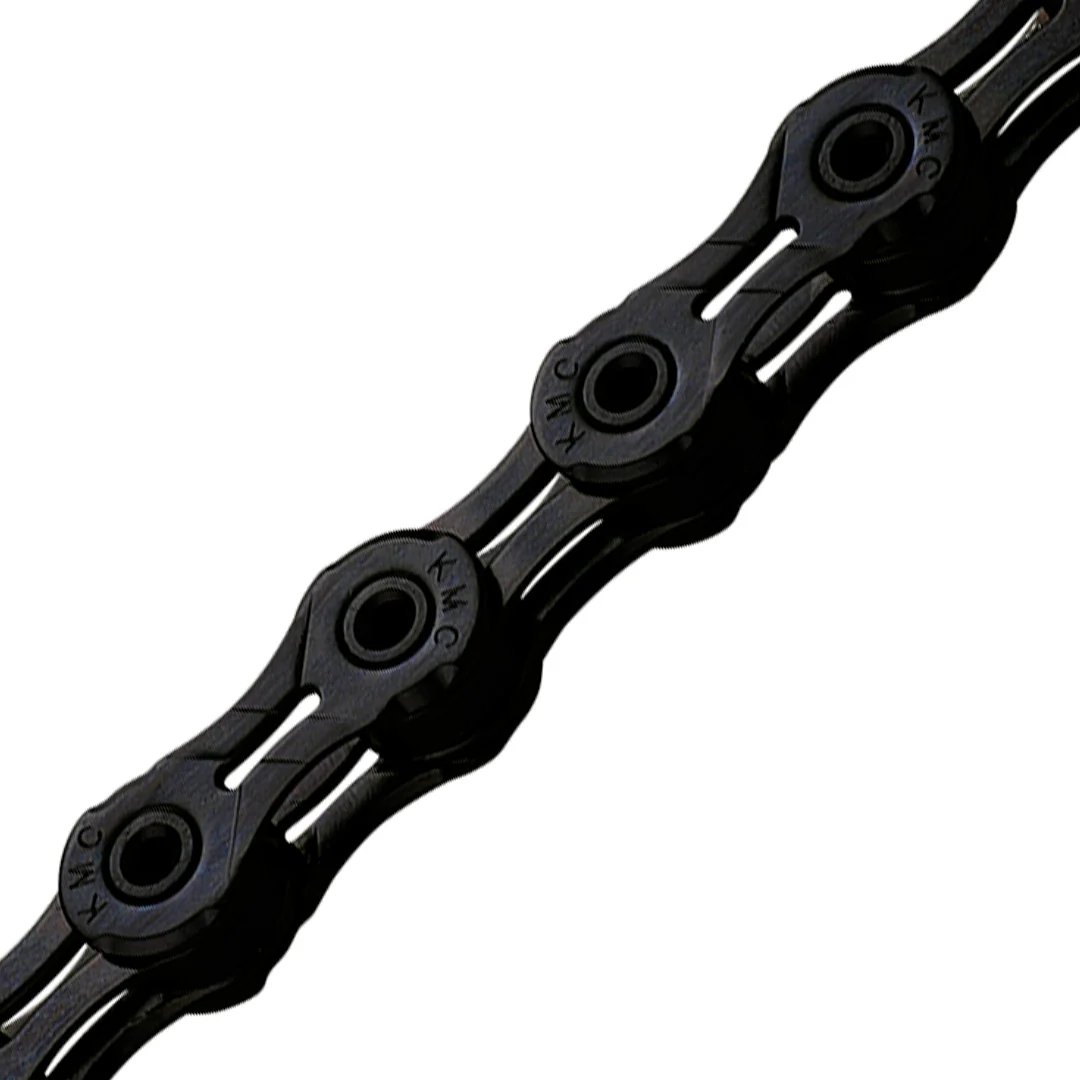
CN-HG95 HG-X CHAIN 10s
- Both are 10-speed
 Shares a standard
KMC
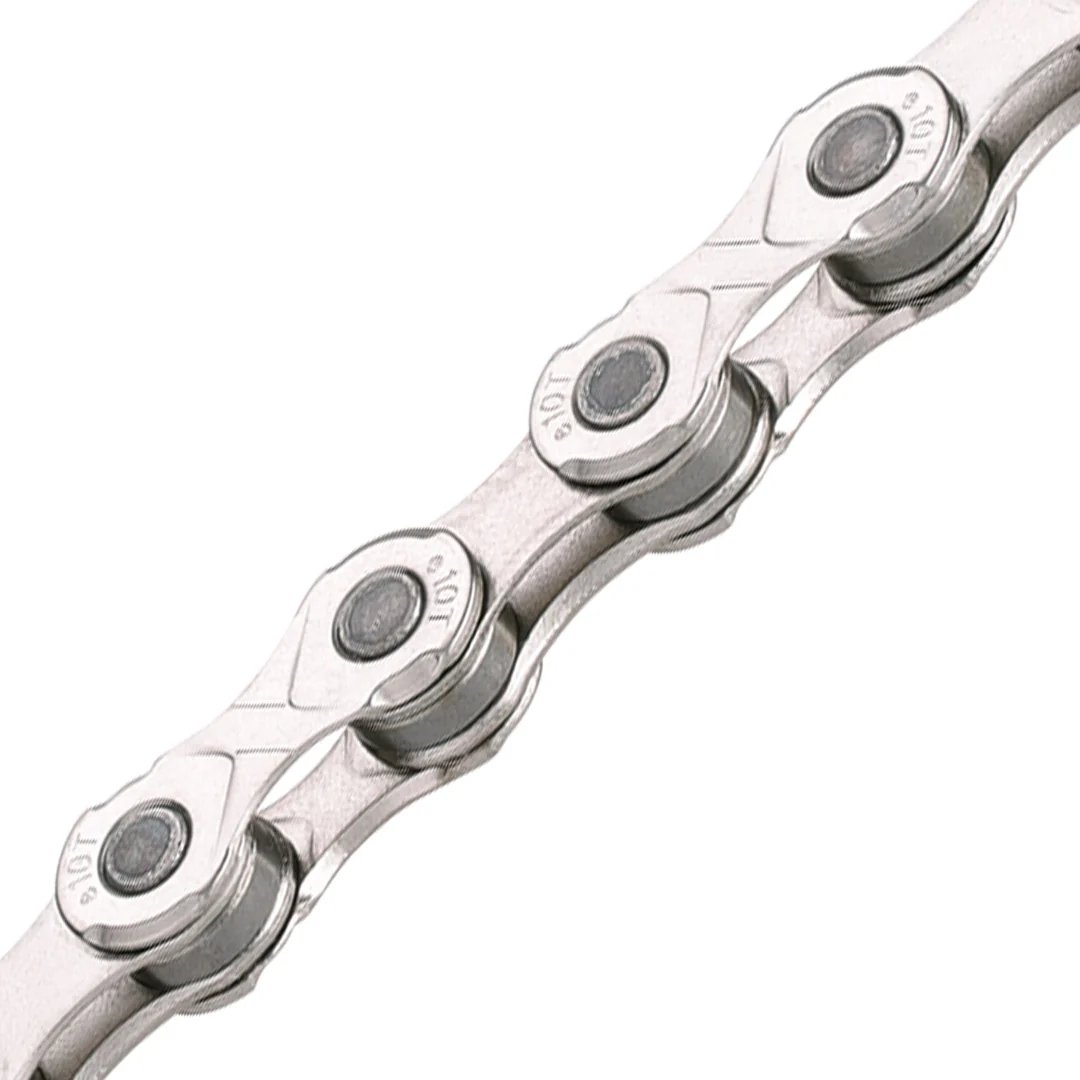
DLC 10
- Both are 10-speed
 Shares a standard
KMC
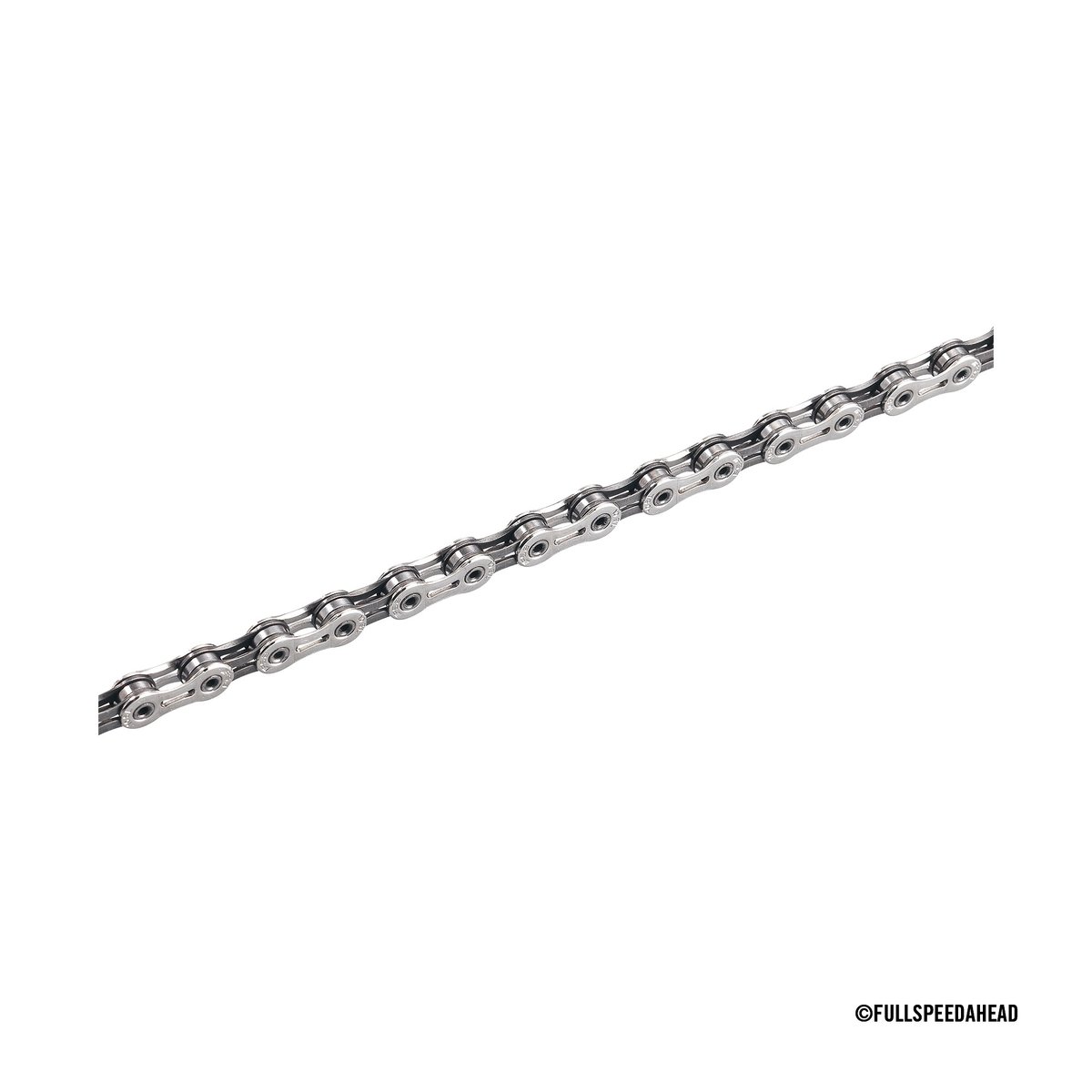
e10
- Both are 10-speed
 Shares a standard
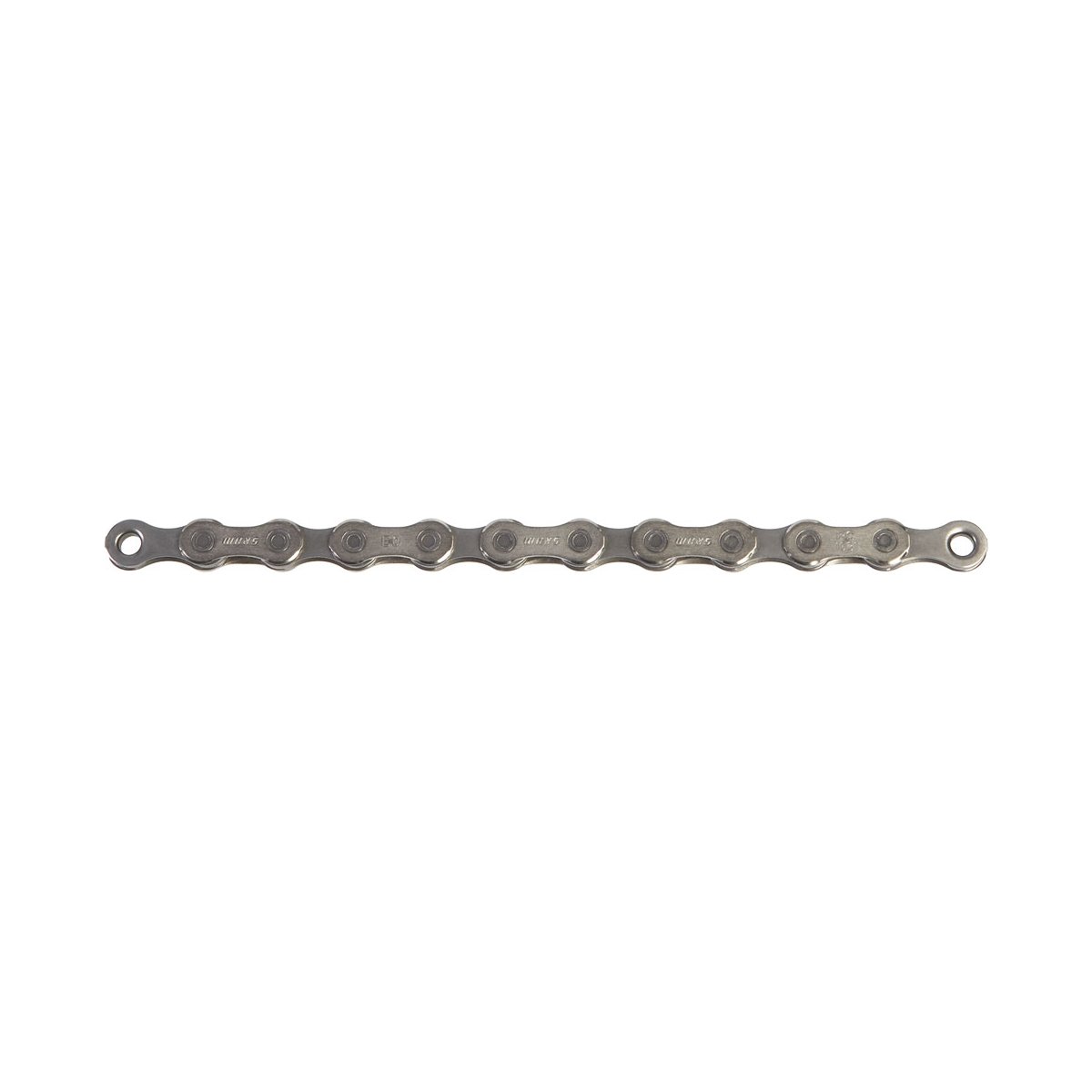
FSA
K-FORCE LIGHT 10 SPEED CHAIN
- Both are 10-speed
 Shares a standard
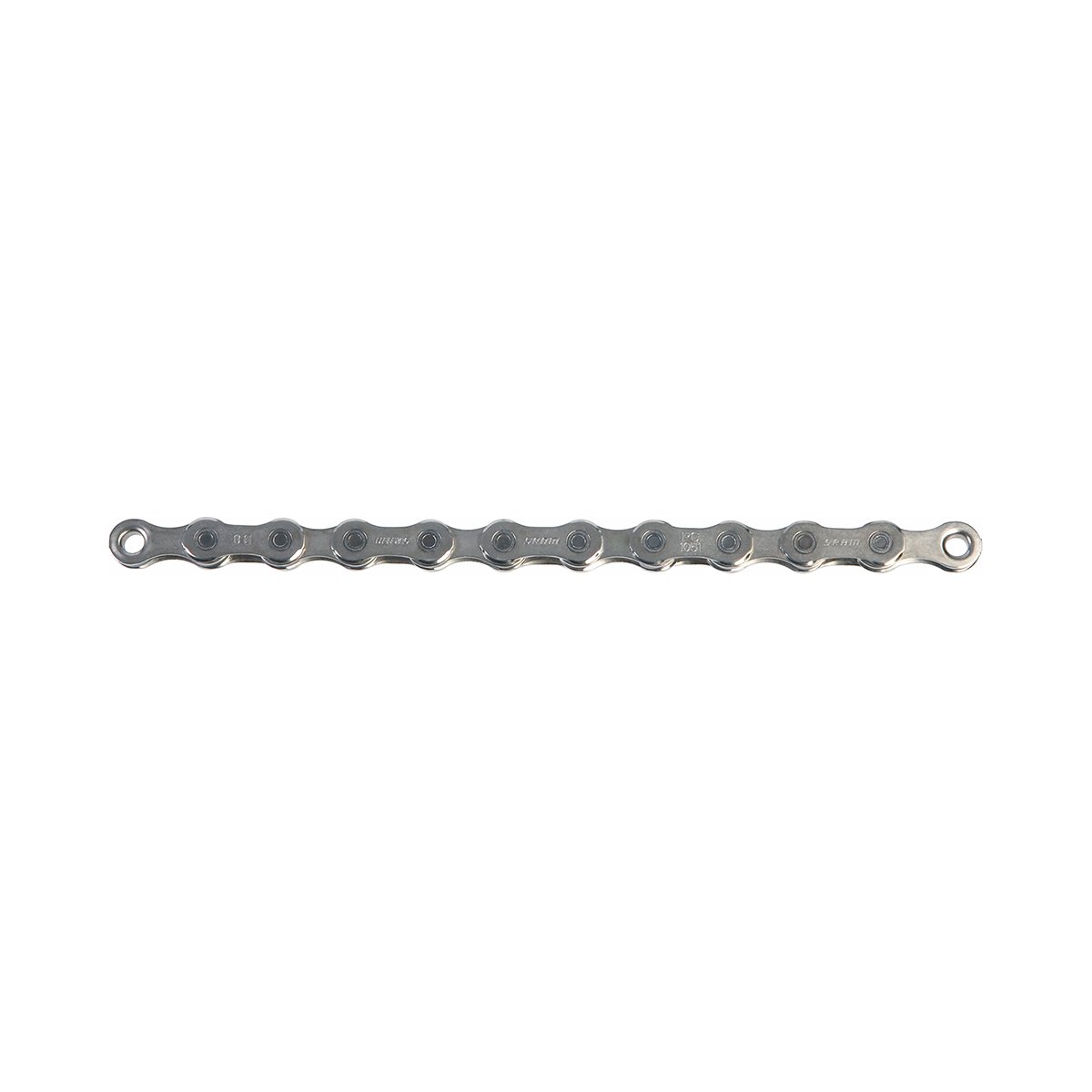
SRAM
PC-1031 Chain
- Both are 10-speed
 Shares a standard
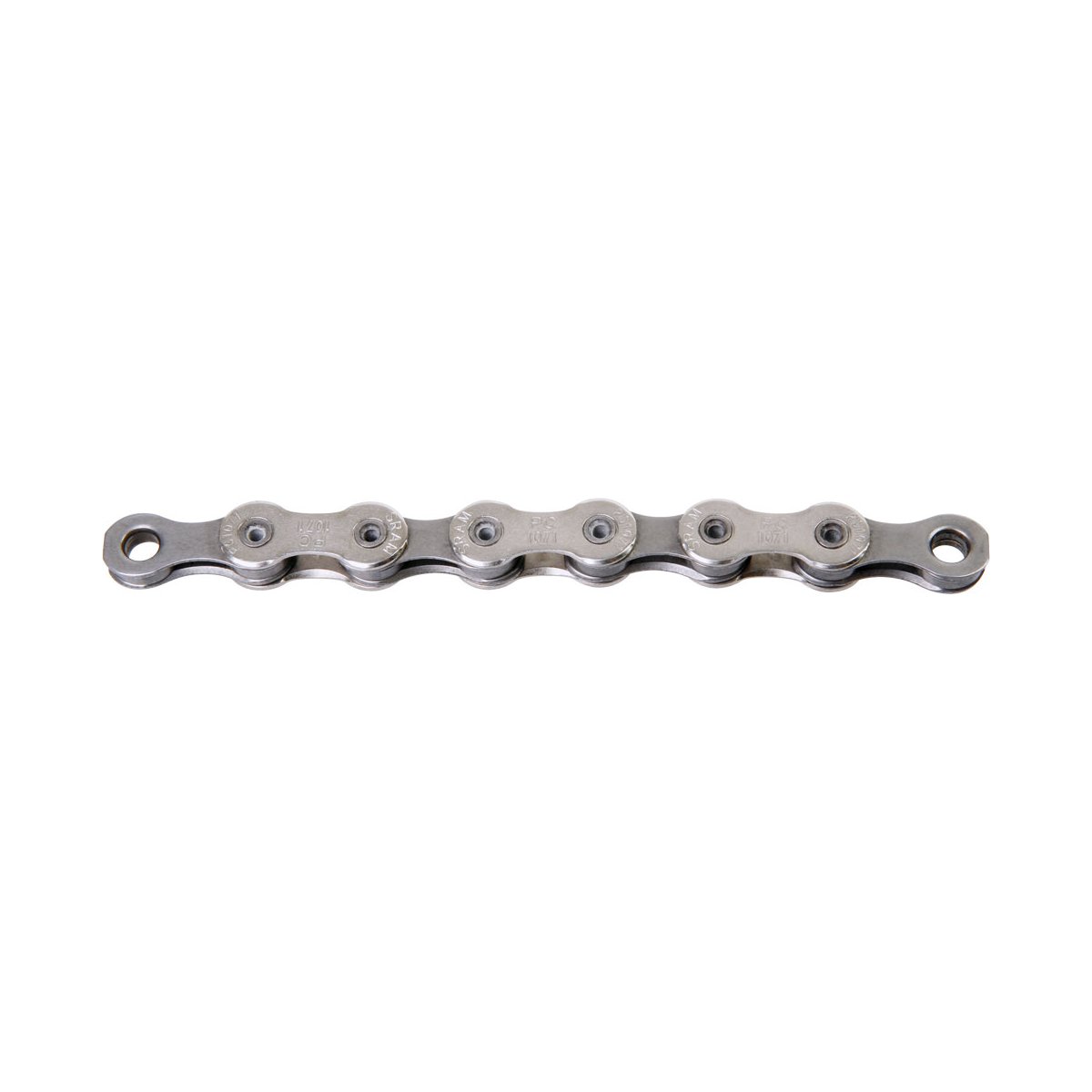
SRAM
PC-1051 Chain
- Both are 10-speed
 Shares a standard
SRAM
PC-1071 Chain
- Both are 10-speed
 Shares a standard
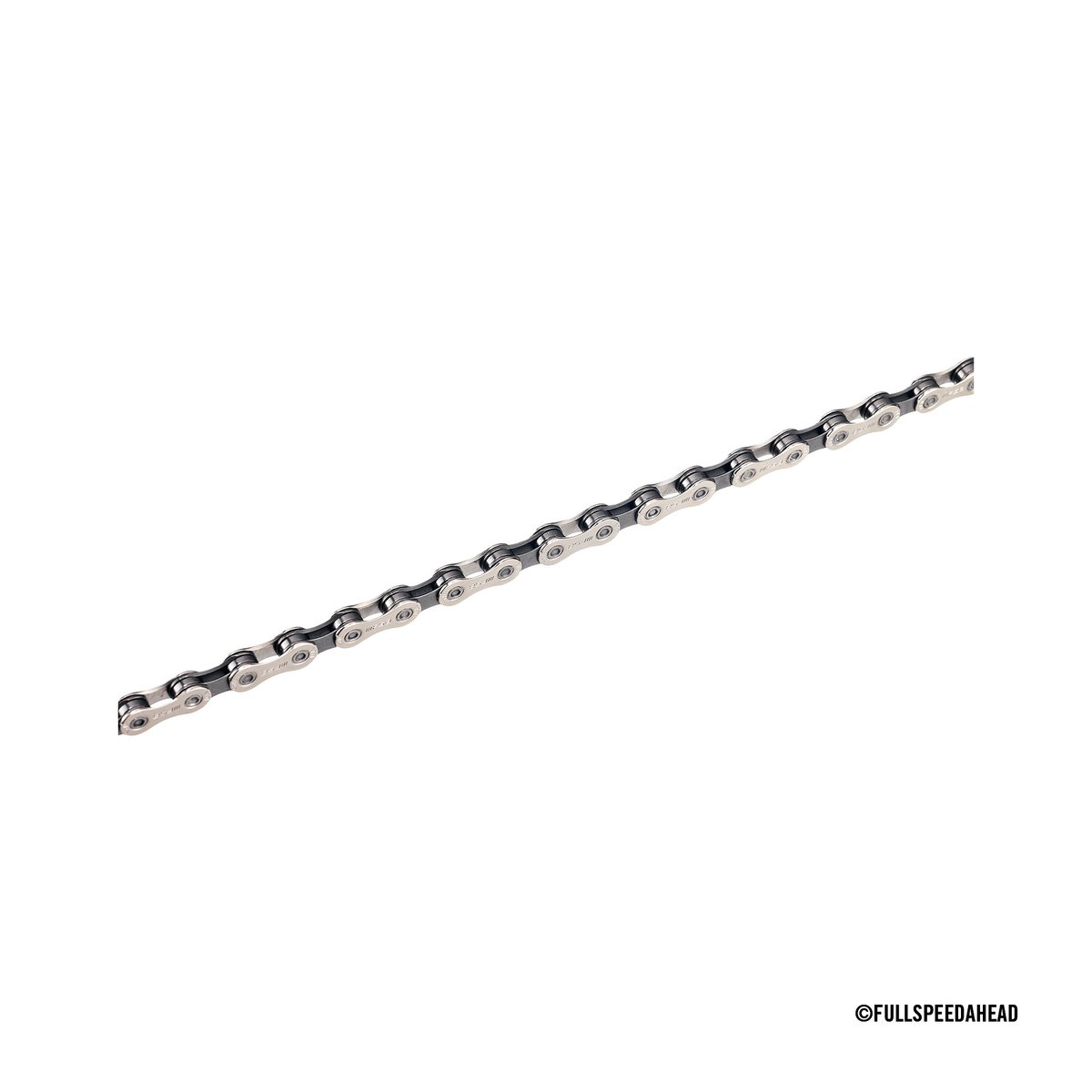
SRAM
PC-1091R Chain
- Both are 10-speed
 Shares a standard
FSA
Team Issue Chain
- Both are 10-speed
 Shares a standard
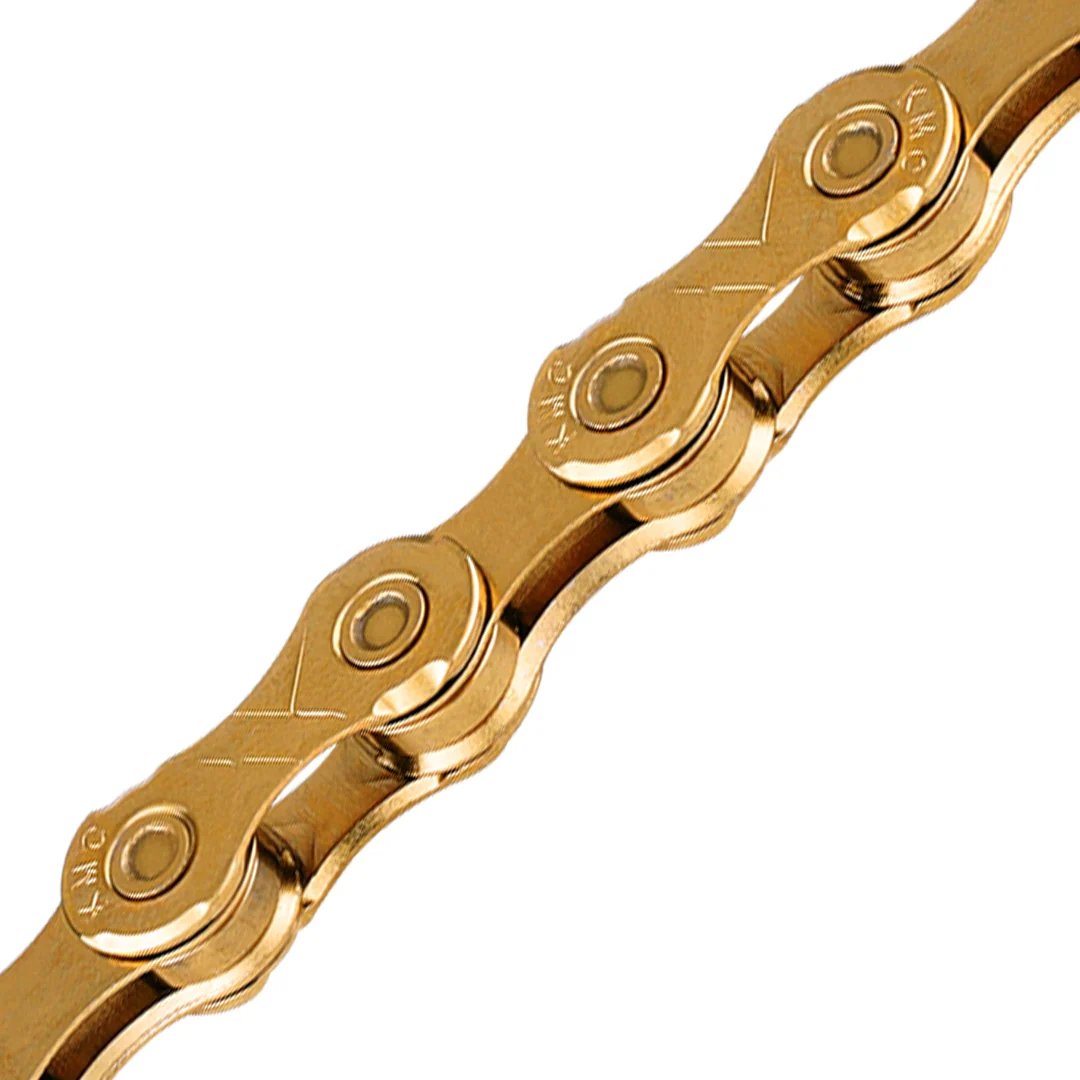
KMC
X10
- Both are 10-speed
 Shares a standard
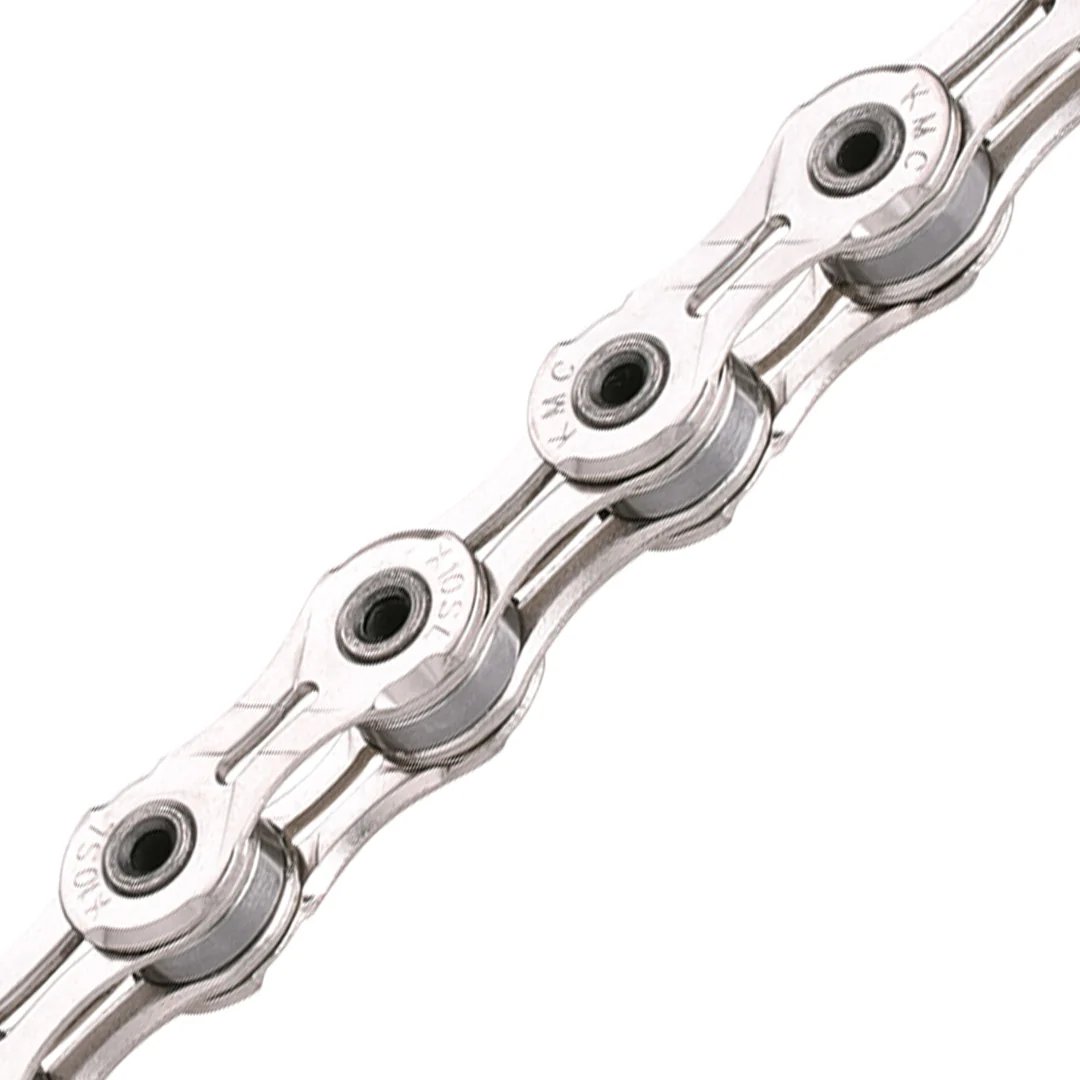
KMC
X10SL
- Both are 10-speed
Frequently Asked Questions
What fits Shimano SAINT REAR DERAILLEUR 10s?
On this page we list shifters that drive this derailleur, cassettes for this derailleur, chains for this derailleur. Each listing was matched on a specification we hold for both parts; anything we could not verify is omitted rather than assumed to fit.
Can I use a higher or lower speed chain with Shimano SAINT REAR DERAILLEUR 10s?
No. Shimano SAINT REAR DERAILLEUR 10s is a 10-speed component and needs a 10-speed chain. Chains for different speed counts have different external widths and inner-plate profiles, which causes poor shifting or interference with the neighbouring sprockets.
Does Shimano SAINT REAR DERAILLEUR 10s work with electronic shifting like Di2 or AXS?
No. Shimano SAINT REAR DERAILLEUR 10s is mechanical, cable-actuated. Electronic groups use internal motors and proprietary signalling, so there is no mechanical or electrical path between the two.